
Workplace safety training is a legal requirement and moral duty in New York, especially in the Bronx, due to its higher accident rates. Lawyers dealing with workplace injuries must be experts in New York Labor Law and OSHA standards, focusing on risk assessments, protective equipment, and employee training. The Bronx's industrial landscape contributes to more accidents and workers' compensation claims, necessitating improved safety measures. Training should address local trends, equipment safety, and tailored protocols for unique risks. Lawyers emphasize the legal implications of accidents in Queens, highlighting liability, compensation, and the importance of detailed injury reports. Effective training programs prevent accidents, especially in legal professions, through interactive learning and integrated routines. Successful legal action drives industry-wide safety improvements, as seen in case studies like substantial settlements for injured workers.
In the bustling legal landscape of Queens, New York, ensuring workplace safety is not just a moral obligation but also a legal imperative. This comprehensive guide delves into the critical aspect of workplace safety training from a lawyer’s perspective, focusing on The Bronx’s notable role in accident injury reports. We explore common causes of accidents, dissect the legal implications for businesses, and present effective training programs as well as compelling case studies showcasing successful workplace safety advocacy, emphasizing the significance of prevention through education.
- Understanding Workplace Safety Training: A Legal Perspective
- The Bronx's Role in Accident Injury Reports: A Statistical Overview
- Common Causes of Workplace Accidents in Queens
- Legal Implications for Businesses: Liability and Compensation
- Effective Training Programs: Strategies for Prevention
- Case Studies: Success Stories in Workplace Safety Advocacy
Understanding Workplace Safety Training: A Legal Perspective

Workplace safety training is not just a moral obligation; it’s a legal requirement in New York, especially after a Bronx accident injury report highlights failures in risk management. From a lawyer’s perspective, understanding these regulations is key to defending or prosecuting cases related to workplace injuries.
The New York Labor Law and the Occupational Safety and Health Administration (OSHA) standards set strict guidelines for employer responsibilities. Adequate safety training, personal protective equipment, and regular risk assessments are mandatory to prevent accidents. Lawyers specializing in this field must comprehend these regulations to ensure fair treatment for clients involved in Bronx workplace injuries, whether it’s a construction site incident or an office slip-and-fall.
The Bronx's Role in Accident Injury Reports: A Statistical Overview

The Bronx, a vibrant and diverse community in New York City, has been the site of numerous workplace accidents and subsequent injury reports over the years. Statistical analysis reveals that this borough’s industrial and commercial landscape, characterized by bustling businesses and varied job sectors, contributes to a higher rate of occupational injuries compared to other areas. According to recent data, The Bronx accounts for a significant portion of New York City’s workers’ compensation claims, highlighting the need for comprehensive workplace safety training among local lawyers and employers alike.
These accident injury reports underscore the importance of implementing robust safety protocols and regular training sessions to mitigate risks in various work environments. By understanding the specific challenges and statistical trends unique to The Bronx, legal professionals and business leaders can collaboratively strive to create safer workplaces, thereby reducing the number of reported injuries and enhancing the overall well-being of Bronx-based employees.
Common Causes of Workplace Accidents in Queens

In Queens, workplace accidents can stem from a variety of factors, often resulting in serious injuries and legal repercussions, as documented in numerous Bronx accident injury reports. One of the most common causes is improper use or maintenance of equipment. Lawyers specializing in workplace safety training highlight the importance of regular equipment checks and employee training to prevent accidents related to machinery malfunction.
Another leading cause is a lack of proper safety protocols and procedures. When companies fail to implement clear guidelines for tasks, especially those involving hazardous materials or potentially dangerous situations, the risk of accidents increases significantly. Queens-based legal experts emphasize that comprehensive safety training should cover everything from basic safety measures to specific protocols tailored to each workplace’s unique risks.
Legal Implications for Businesses: Liability and Compensation
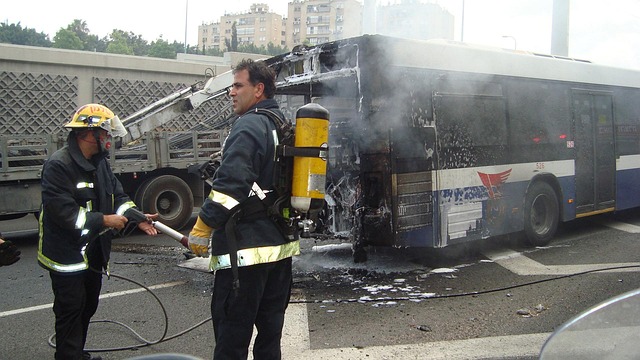
In the event of a workplace accident, legal implications can have significant consequences for businesses in Queens. The primary concern revolves around liability and compensation, as outlined by state laws and regulations. If an employee sustains injury or develops an illness due to unsafe working conditions, the employer may face substantial financial burdens and legal repercussions. A Bronx accident injury report becomes a critical document, detailing the incident, potential causes, and the extent of injuries sustained. This report can significantly impact subsequent legal proceedings, as it provides evidence to support claims for compensation.
Businesses must be proactive in addressing workplace safety to mitigate these risks. Regular safety training, proper protocols, and a culture that prioritizes employee well-being are essential. Failure to adhere to these standards could lead to legal action, with employees seeking damages for their injuries or illnesses. Understanding the legal implications and taking preventive measures can help businesses avoid costly settlements and maintain a positive reputation, especially in cases involving serious bronx accident injury reports.
Effective Training Programs: Strategies for Prevention

Effective training programs play a pivotal role in preventing workplace accidents, especially in legal professions where knowledge of safety protocols can be a matter of protection against claims and lawsuits, like those often seen in Bronx accident injury reports. Strategies for prevention should encompass a multi-faceted approach. Firstly, these programs must be comprehensive, covering not just general safety measures but also specific risks associated with legal practices, such as the safe handling of sensitive client documents and the use of technology. Regular updates are crucial to keep up with evolving workplace dynamics and legal standards.
Interactive learning methods, including simulations and case studies, can significantly enhance knowledge retention and prepare lawyers to handle unexpected situations more effectively. Encouraging open communication and feedback among staff also fosters a culture of safety awareness. Additionally, integrating training into daily routines ensures that safety practices become second nature, thereby minimizing the risk of accidents.
Case Studies: Success Stories in Workplace Safety Advocacy

Workplace safety is a critical aspect often in the spotlight after tragic accidents, like those detailed in Bronx accident injury reports. These incidents serve as stark reminders of the importance of proactive measures and thorough training. Case studies showcasing successful workplace safety advocacy campaigns offer invaluable lessons and inspiration.
For instance, consider a law firm in Queens that successfully represented a group of construction workers who suffered severe injuries on a job site due to inadequate safety protocols. Through meticulous research and expert testimony, they exposed the negligence of the general contractor and secured a substantial settlement, not only compensating the victims but also setting a precedent for improved safety standards across the industry. This success story highlights the power of legal advocacy in driving positive change and ensuring that employers prioritize worker safety.
Workplace safety training is not just a moral obligation but also a legal requirement, as highlighted by the insights from the Bronx’s accident injury reports. Understanding these statistics and addressing common causes of accidents in Queens can significantly reduce workplace risks. By implementing effective training programs and learning from successful advocacy cases, businesses can foster a culture of safety, minimizing liability concerns and ensuring a healthier work environment. This holistic approach to workplace safety is key to preventing incidents and promoting prosperity for all involved.